Movie review
Fight Club
Fight Club
- Year
- 1999
- By
- CritiFilm Editorial Desk
- Updated
 Poster unavailable
Trailer
At a glance
Synopsis
A ticking-time-bomb insomniac and a slippery soap salesman channel primal male aggression into a shocking new form of therapy. Their concept catches on, with underground "fight clubs" forming in every town, until an eccentric gets in the way and ignites an out-of-control spiral toward oblivion.
CritiFilm's take
Editorial verdict
David Fincher's Fight Club remains one of American cinema's most ferocious, unflinching deconstructions of turn-of-the-millennium consumerism, white-collar alienation, and psychological dissociation. Decades after its polarizing 1999 premiere, its razor-sharp visual architecture, kinetic rhythm, and provocative satire have lost none of their visceral cultural bite.
What works
The film operates with astonishing directorial control from its first micro-lens shot through a neural pathway to its apocalyptic closing vista. Fincher and cinematographer Jeff Cronenweth bathe the setting in sickly fluorescent greens, greasy rust tones, and damp asphalt shadows, rendering the unnamed Narrator's insomnia-fueled corporate reality as an inescapable modern purgatory.
Edward Norton delivers a magnificent performance of repressed exhaustion, anchoring the biting voiceover with dry, self-aware fatalism. That vulnerability provides the ideal counterbalance to Brad Pitt's volcanic, swaggering charisma as Tyler Durden, whose anti-materialist sermons sound seductive precisely because they target genuine cultural emptiness. Helena Bonham Carter rounds out the central dynamic as Marla Singer, supplying dark humor, genuine emotional wreckage, and an anarchic romantic foil. Crucially, the storytelling does not rely solely on its legendary third-act revelation; every earlier sequence gains richer thematic resonance upon rewatch, illustrating how untreated isolation metastasizes into fanaticism.
Where it is limited
The narrative pivots sharply in its second half, shifting from an intimate character study of fraternal catharsis into the expansive, paramilitary sabotage of Project Mayhem. This escalation broadens the scope effectively, but it occasionally sacrifices the tightly wound personal intimacy that makes the initial basement brawls so compelling.
In addition, the movie's relentless sarcasm, aggressive aesthetic, and nihilistic humor make it uniquely vulnerable to shallow readings by audiences who celebrate Tyler Durden's militant chaos rather than recognizing him as a manifestation of sickness. A handful of digital tracking transitions and freeze-frame gags also bear the hyperactive fingerprints of late-90s commercial editing, even if they still crackle with audacious energy.
Who should watch
Fight Club is indispensable viewing for cinephiles interested in subversive storytelling, virtuoso editing, and films that boldly critique consumer society from the inside out. It demands an active viewer willing to engage with complex moral ambiguity, biting black humor, and sequences of brutal physical combat. Those seeking conventional hero arcs or comfortable resolutions will likely find its acidic skepticism unsettling, but those who appreciate daring narrative risks will find a masterwork that continues to spark debate.
Related reading
Compare this with another study of emotional memory in our Frieren Season 1 review which explores patient pacing from a reflective fantasy perspective.
Watch and compare
Community videos
Verified community video reviews for this title are being curated. Official trailer and coverage are available above.
Images
Artwork gallery
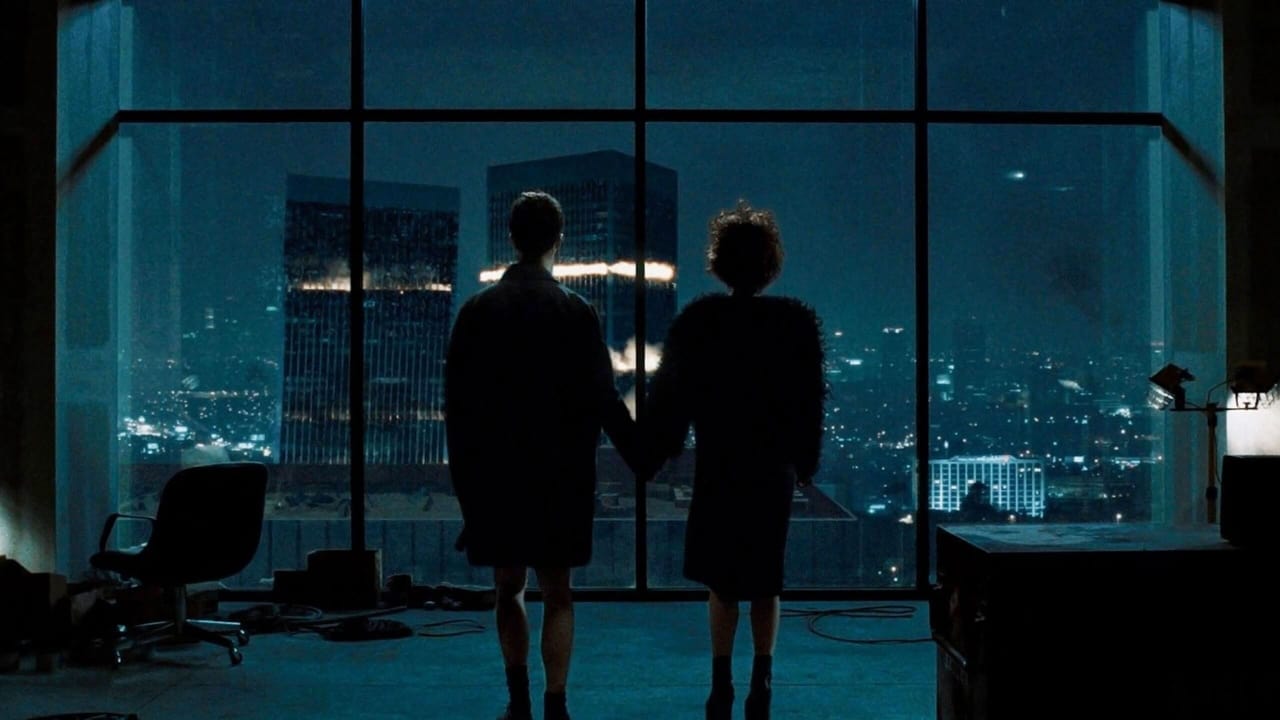 Image unavailable
 Image unavailable
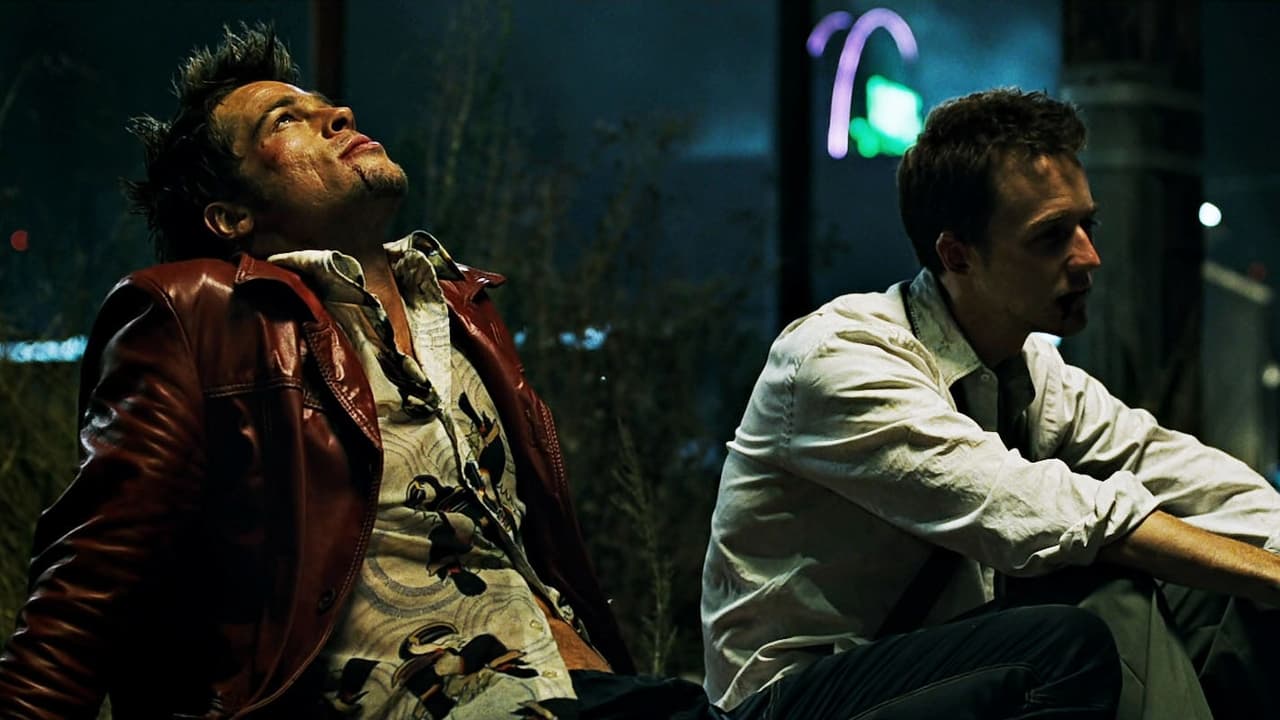 Image unavailable
 Image unavailable
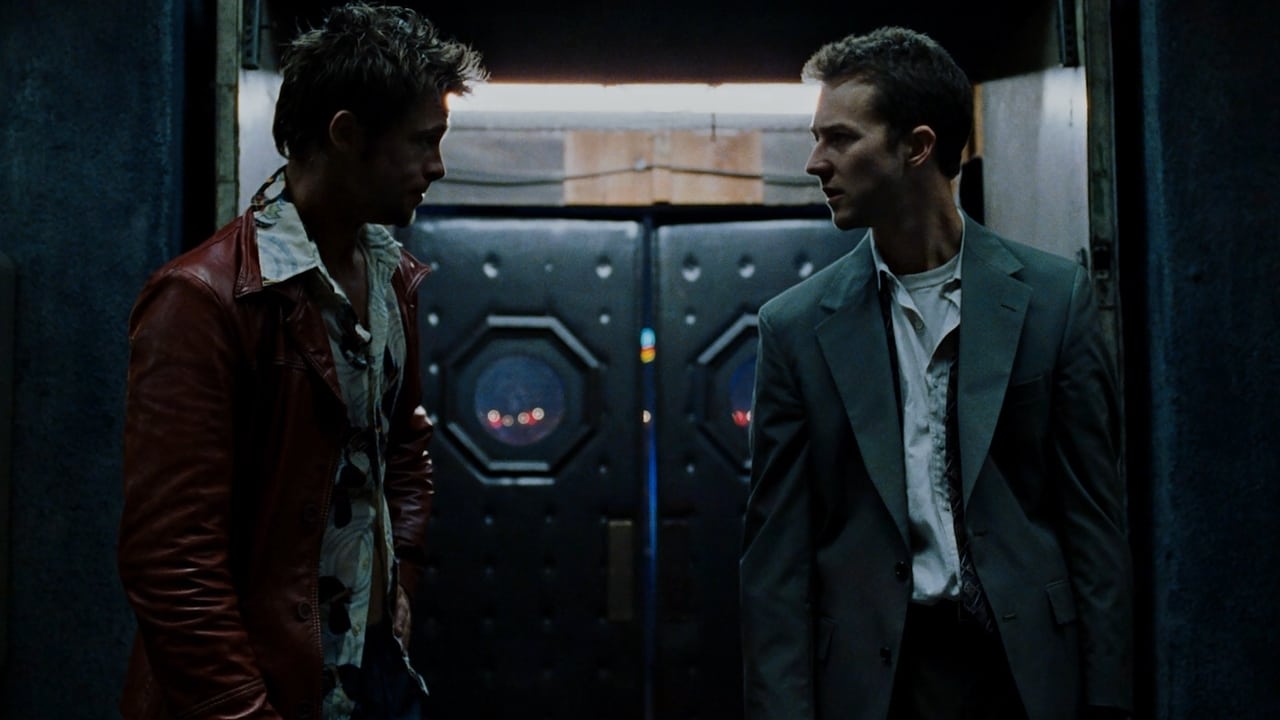 Image unavailable
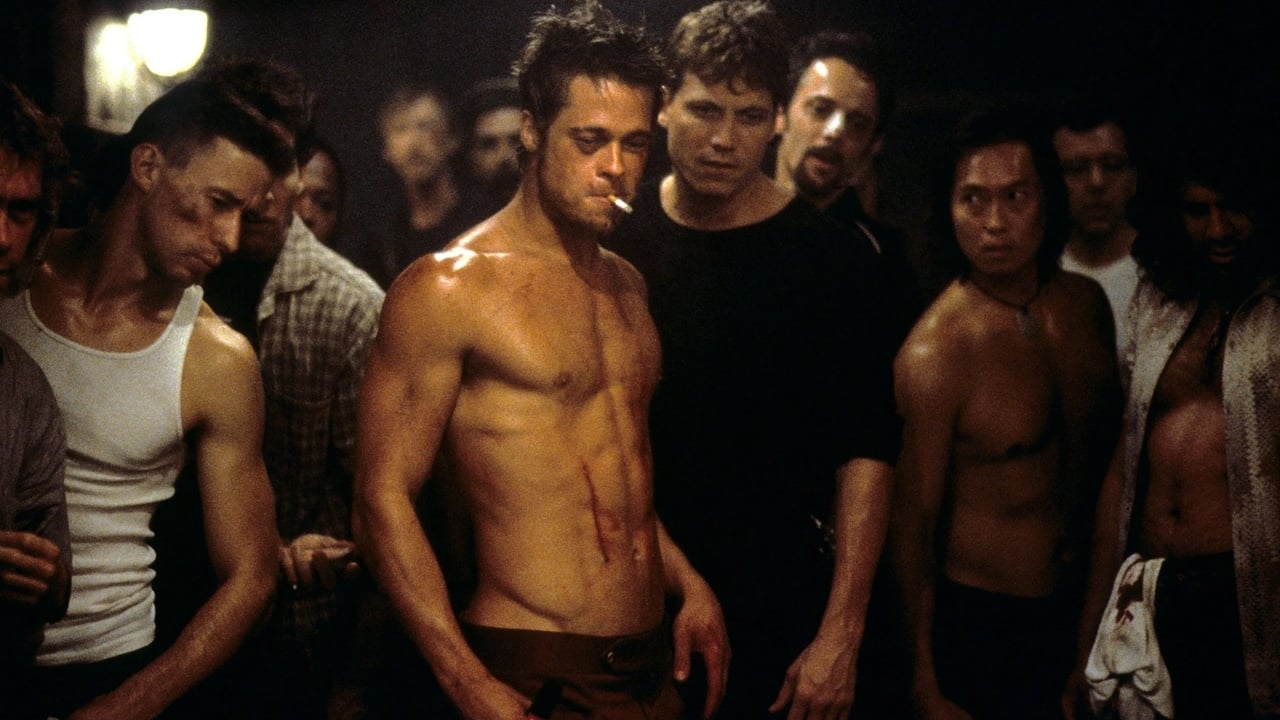 Image unavailable
Cast
Lead cast
 EN
 BP
 HB
 ML
 JL
 ZG
 HM
 EB
 RA
 DA
 GM
 EB
Reference
Review details
- Work type
- Movie
- Scope
- Fight Club
- Release year
- 1999
- Community score
- 8.4 / 10 · TMDB source
- Updated
Good to know
FAQ
What does this review cover?
Fight Club
Does CritiFilm host the full film?
CritiFilm publishes editorial text and embeds each video from its original provider. It does not host full-film streams.
Continue exploring
Related reviews
Browse moviesWe host no full streams. Videos shown here are embedded from their original provider.